The Multi-Factor Reality: Moving Past Vulnerable Passwords
Published by PrismShield Security Editorial
•6 Min Read
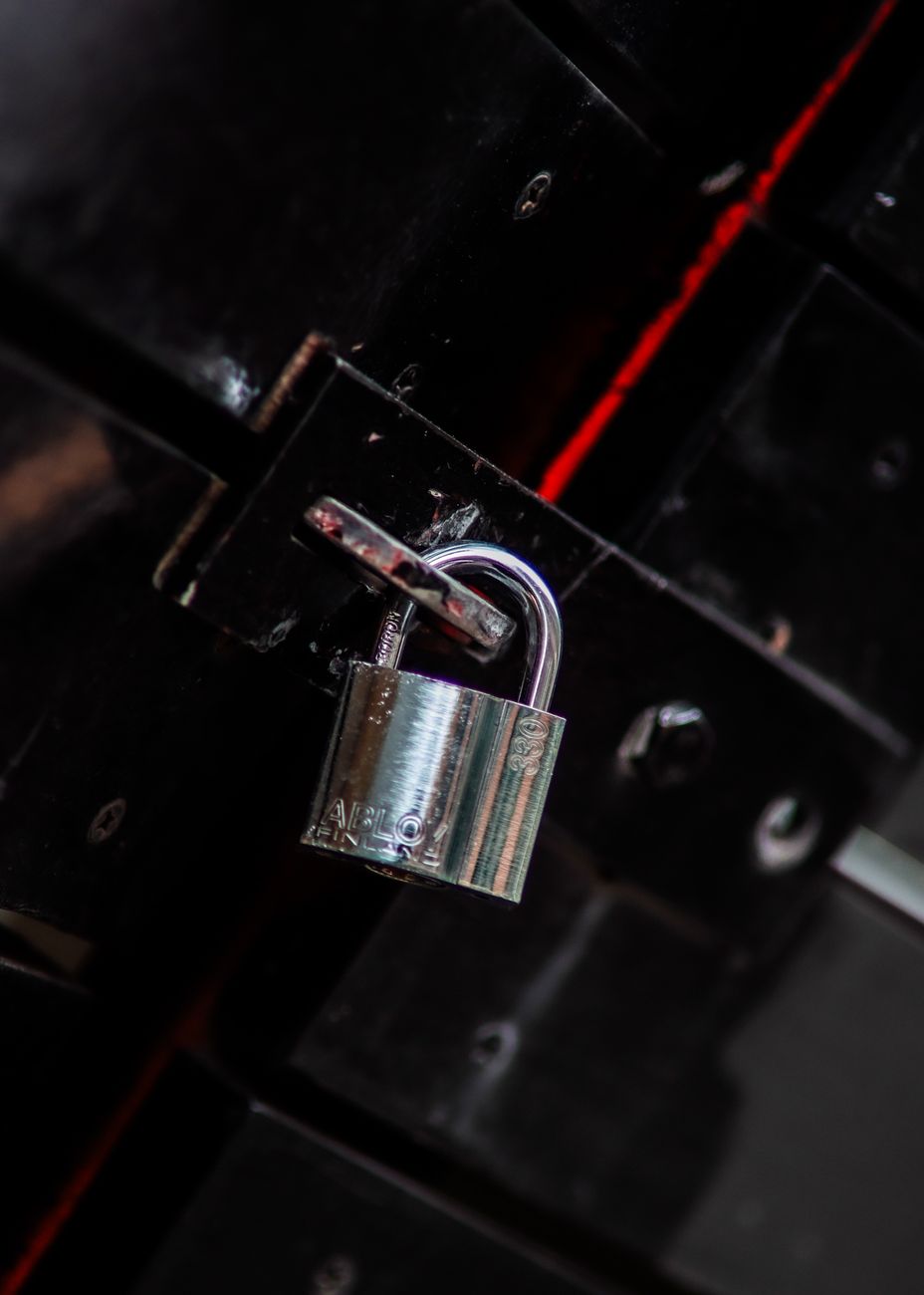
For decades, users were instructed to create passwords with dynamic uppercase letters, symbols, and regular expiry rotations. Today, these complex strings are quickly compromised by targeted credential databases.
Why Traditional Passwords are Breached Instantly
Bad actors do not guess passwords manually. Instead, they run dictionary automated trials or gather passwords exposed in third-party database breaches. Because humans struggle to remember hundreds of distinct codes, they reuse core combinations. When a minor shopping site is breached, your primary emails and financial databases are exposed to automatic cross-reference exploits.
Implementing True Multi-Factor Verification
MFA is our critical defensive line. However, not all verification is constructed with equal strength. Traditional SMS-based OTPs (One-Time Passwords) can be intercepted through SIM-swap exploits or dynamic phishing pages designed to capture codes instantly. We strongly recommend moving toward app-based authenticators (like Google Authenticator or Microsoft Authenticator) or native hardware tools such as Passkeys.
- Passkeys: Uses your phone's native biometrics (FaceID/Fingerprint) to authenticate without sending any secret parameters over network systems.
- App-based TOTP: Codes change every 30 seconds local-to-device, minimizing exposure times.
- Hardware Security Keys: Ideal for critical business administrative access.
"The presence of non-SMS multi-factor authentication prevents up to 99% of targeted credential-stuffing exploits instantly, making it the highest yield action you can execute right now."
Ready to harden your credentials?
Our team delivers custom audits and workshops to secure teams and private profiles.